
Fondacioni Besa
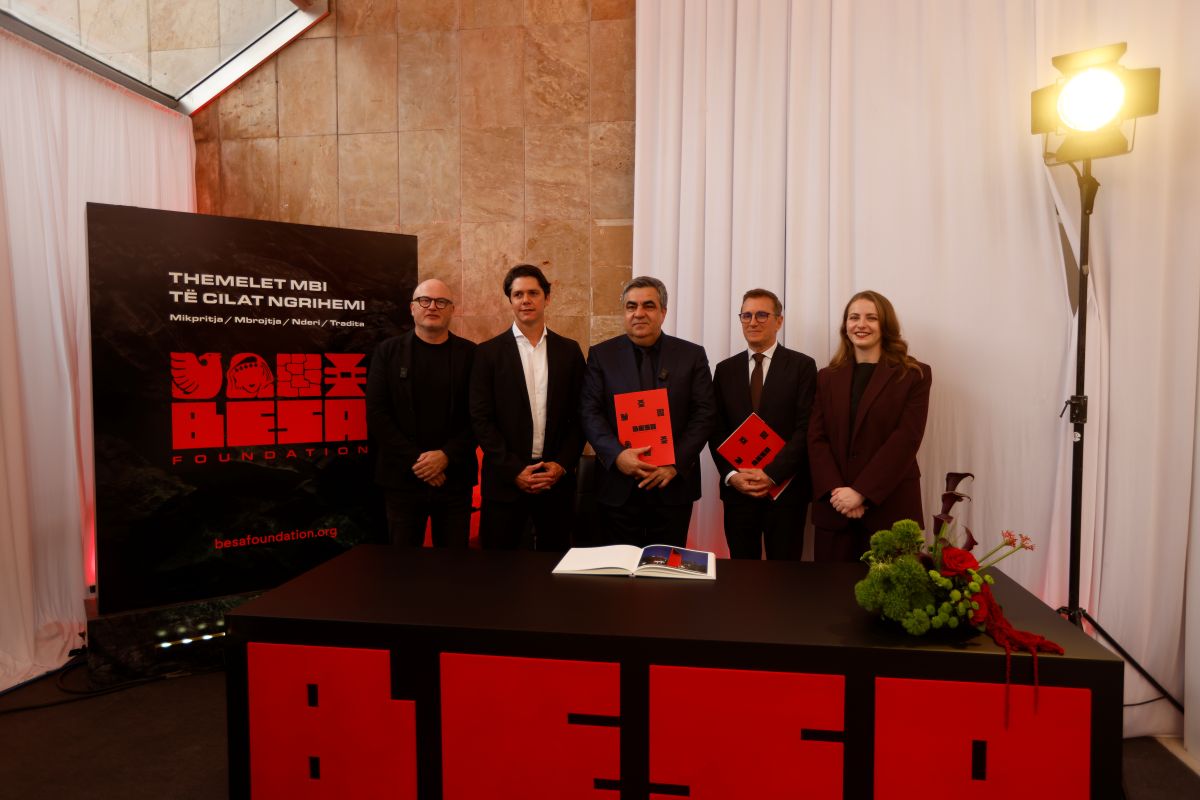
During the Diaspora Summit, the Ministry of Tourism, Culture and Sport and the Besa Foundation signed a cooperation agreement for the development and revitalization of the Besa Museum project in Tirana. The concept of the Besa Museum draws inspiration from the unparalleled stories of humanity and solidarity of Albanian families who, under great risk during World War II, sheltered and cared for the lives of Jewish people in Albania during that period.
Learn more
Fondacioni Besa
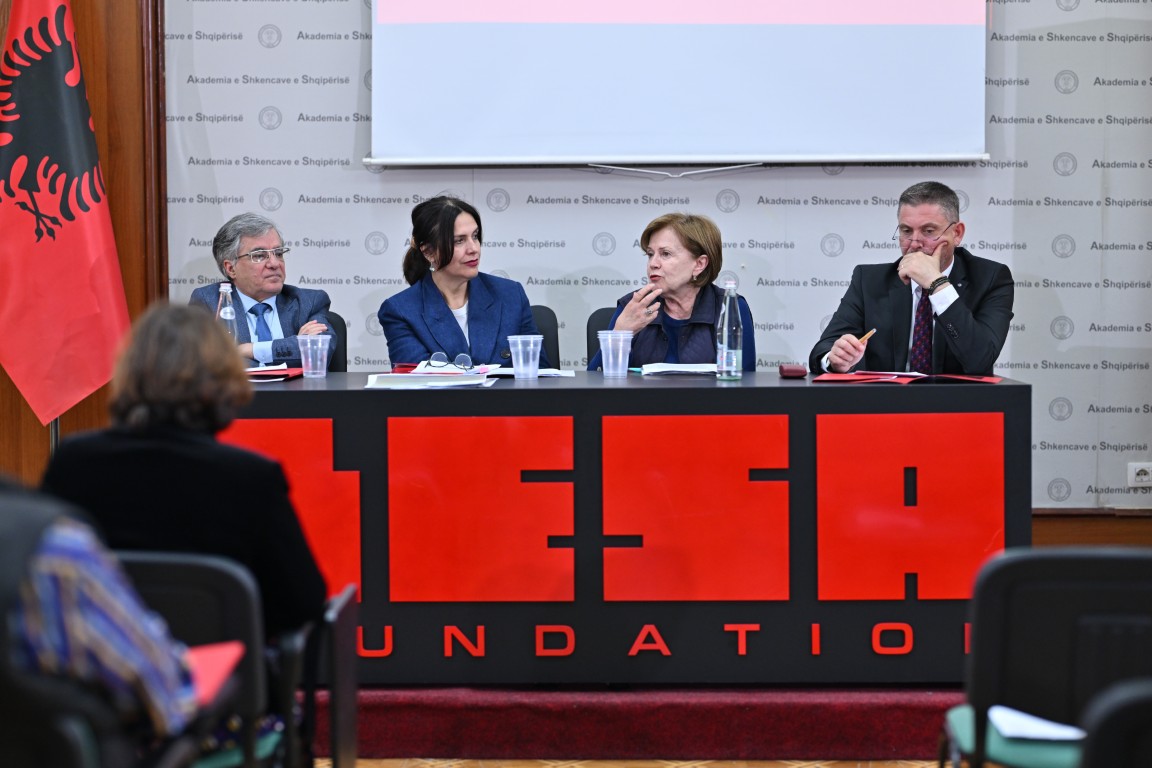
On International Museum Day, the Besa Foundation, in cooperation with the Academy of Sciences of Albania, organized a special event dedicated to cultural heritage, identity, and the values of the Albanian people. With the participation of academics, researchers, and well-known figures from history and culture, the event placed the concept of Besa at the center—as part of intangible cultural heritage—the presentation of the Besa Museum project, and historical facts and discussions by contemporary scholars on Albanian values, especially during World War II in saving the lives of hundreds of Jewish people. The event also marked the cornerstone of the Besa Foundation's first project, the Besa Museum.
Learn more

Oppenheim
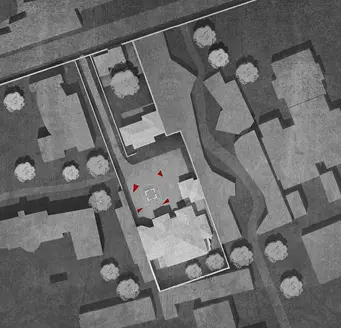
The Besa Museum, a cultural project of the Besa Foundation, has been selected as a finalist at the World Architecture Festival 2024 in Singapore, competing in the Future/Civic category for Culture.
Learn more

The premiere of the Albanian film “Dilema e Ismailit”, created by Dhimitër Ismailaj-Valona, marks an important cultural moment, presenting a cinematic work shaped by the talent and dedication of Albanian artists. Featuring a cast of well-known Albanian actors, the film tells the little-known story of an Albanian family during the difficult years of the Second World War, highlighting the courage and humanity shown in a time of poverty, hardship, and great uncertainty.
Learn more
Albanian Times
The Besa Museum, a flagship cultural project of the Besa Foundation, has been named a finalist for a World Architecture Festival Award, placing it among some of the most distinguished architectural projects worldwide.
Learn more
Arch Daily
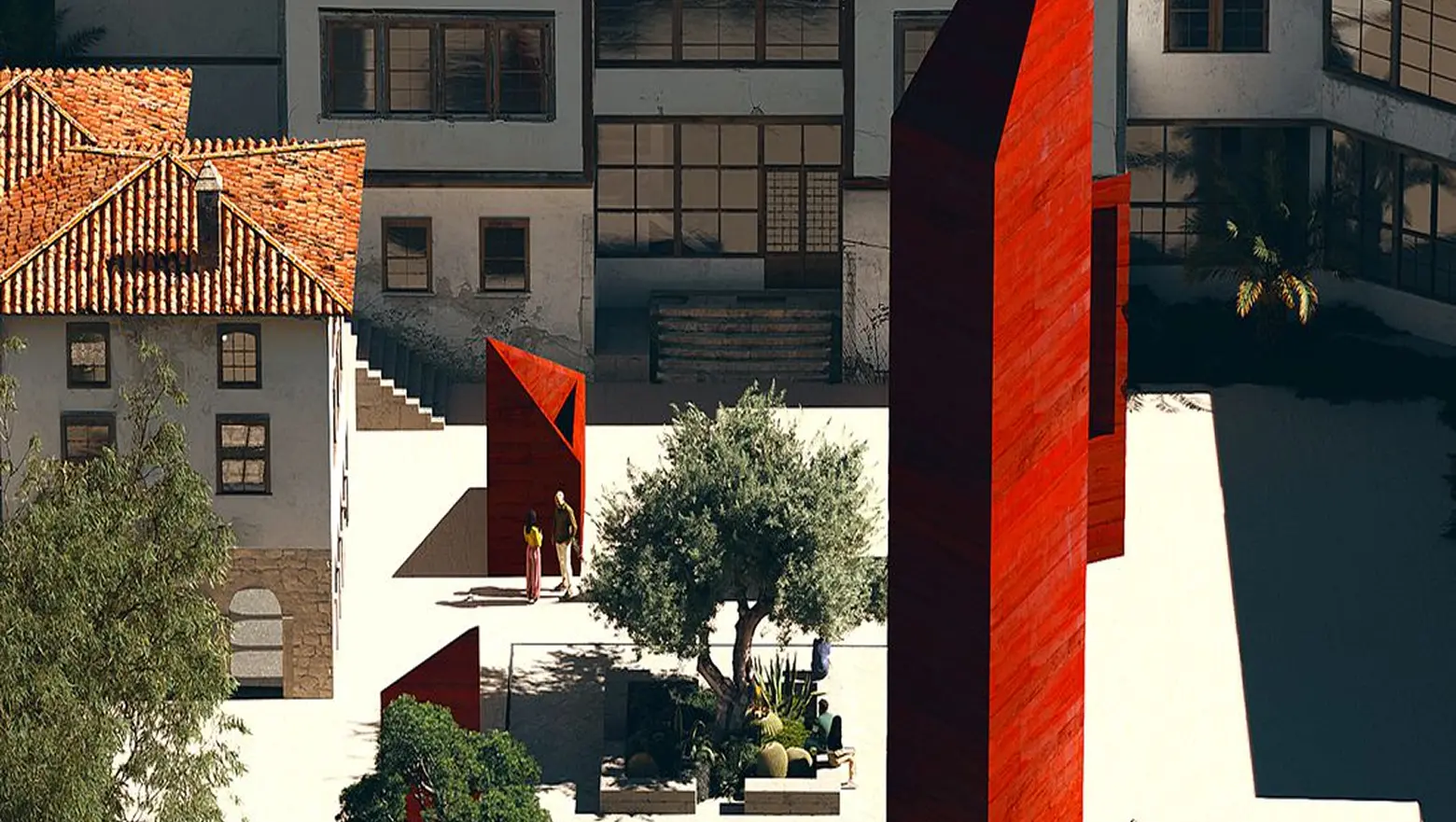
ArchDaily features the Besa Museum as a major international architectural project, spotlighting Oppenheim Architecture's striking proposals to restore and reimagine the museum in Albania.
Learn more
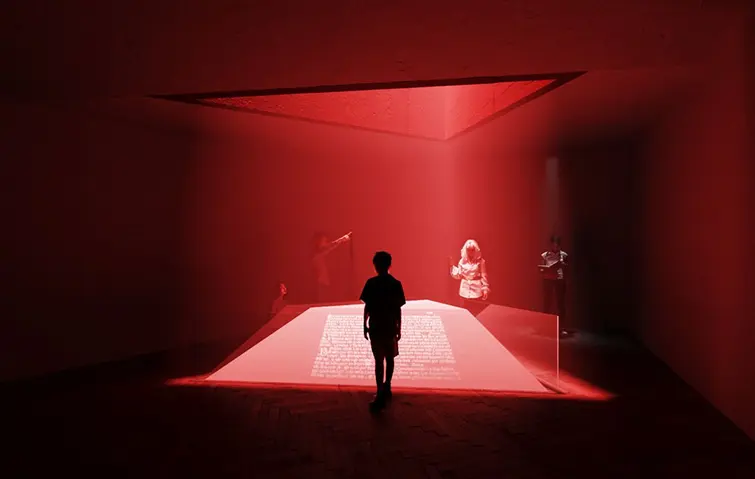
Pikarr
The Besa Museum, a landmark cultural initiative of the Besa Foundation, is presented in Pikarr as a compelling example of how architecture can give form to memory, values, and culture.
Learn more
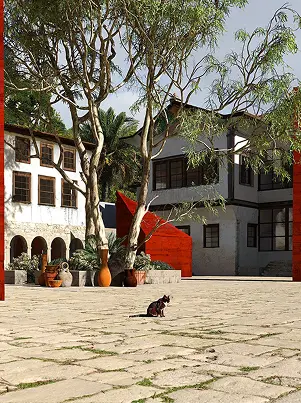
Archilovers
The Besa Museum, a flagship cultural initiative of the Besa Foundation, is featured by Archilovers, one of the world's leading architecture platforms. The post highlights the project's architectural landscape and cultural significance, recognizing it as part of a global conversation on meaningful and socially-driven design.
Learn more
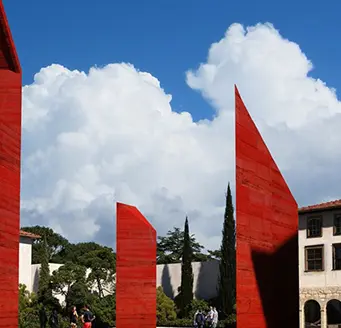
TAAD Magazine
TAAD Magazine features the Besa Museum as a project that brings together architecture, culture, and narrative with clarity and purpose. As a cultural initiative of the Besa Foundation, the museum is presented as an example of how contemporary design can be used to express values, preserve memory, and create meaningful public spaces.
Learn moreFondacioni Besa
During the Diaspora Summit, the Ministry of Tourism, Culture and Sport and the Besa Foundation signed a cooperation agreement for the development and revitalization of the Besa Museum project in Tirana. The concept of the Besa Museum draws inspiration from the unparalleled stories of humanity and solidarity of Albanian families who, under great risk during World War II, sheltered and cared for the lives of Jewish people in Albania during that period.
"This is a very beautiful moment, where within the framework of the fourth Diaspora Summit we are in the corner created by the Besa Foundation for the Besa Museum, to sign the agreement that opens the way for the implementation of the project in the most beautiful old areas of Tirana, which will bring one of the most beautiful museums, with one of the most important themes our country has: Besa." — said Minister Blendi Gonxhja, among others. The name "Besa" and the entire concept of the project fully reflect the values of Albanian Besa, based on four pillars of our culture: Honor, Hospitality, Protection, and Tradition. The realization of this project does not foresee a new building; the museum will be located in the spaces of the historic villas of the Toptanas and Libohovitis, in a protected cultural heritage zone in the center of the capital, which will be restored as part of this project.
"I am very grateful for the trust given—a great responsibility for us and our partners to develop this project with quality and efficiency, a project with historical as well as educational value for today's generations and those to come, which makes every Albanian proud." — said Albi Greva, Executive Director of the Besa Foundation. The design of this museum work was carried out by Oppenheim Architecture Studio, winner of the international competition announced by the Albanian Government in August 2023. Implementation of the project is expected to take place over a 28-month period. With the signing of this agreement, the path is opened for all necessary steps toward the launch and realization of this work of special historical importance for every Albanian.
Fondacioni Besa
On International Museum Day, the Besa Foundation, in cooperation with the Academy of Sciences of Albania, organized a special event dedicated to cultural heritage, identity, and the values of the Albanian people. With the participation of academics, researchers, and well-known figures from history and culture, the event placed the concept of Besa at the center—as part of intangible cultural heritage—the presentation of the Besa Museum project, and historical facts and discussions by contemporary scholars on Albanian values, especially during World War II in saving the lives of hundreds of Jewish people. The event also marked the cornerstone of the Besa Foundation's first project, the Besa Museum.
Throughout the event, Mr. Albi Greva, Executive Director of the Besa Foundation, emphasized the values and impact of these initiatives and projects. During the presentation, attendees were introduced to the mission and objectives of the Besa Foundation, a non-profit organization established by the Ministry of Tourism, Culture and Sport. The concept of Besa—a unique trait of the Albanian people, composed of four main pillars: Honor, Protection, Hospitality, and Tradition—was presented and discussed. A documentary was screened for the first time before the panel discussion, shedding light on historical facts and interviews with Jewish people who were relocated to Albania and protected during World War II.
Prof. Shaban Sinani shared significant historical facts, including that many Jewish people who fought as partisans fell as martyrs in Albania. Dr. Gentiana Sulaj expressed that solidarity is one of the values that keeps Albanians united and remains a core identifying element of our nation. Dr. Nevila Nika shared historical details on how Albanians, as early as 1938, found ways to protect Jewish people entering Albania through tourist visas or changes of identity. Beyond a project that will serve as a guide to cultural heritage and the history of the Albanian people, such events show that only on the foundations of the past can a future be built that elevates the values of a nation.
Oppenheim
The Besa Museum, a cultural project of the Besa Foundation, has been selected as a finalist at the World Architecture Festival 2024 in Singapore, competing in the Future/Civic category for Culture.
Featured by Oppenheim Architecture, the project continues to attract strong attention among leading international media that explore how architecture can carry meaning, memory, and cultural identity.
The premiere of the Albanian film “Dilema e Ismailit”, created by Dhimitër Ismailaj-Valona, marks an important cultural moment, presenting a cinematic work shaped by the talent and dedication of Albanian artists. Featuring a cast of well-known Albanian actors, the film tells the little-known story of an Albanian family during the difficult years of the Second World War, highlighting the courage and humanity shown in a time of poverty, hardship, and great uncertainty.
While the film portrays the experience of one family, it reflects a much broader reality shared by many Albanian families across the country. During this period, countless households sheltered, fed, and protected Jewish refugees despite the grave risks to their own lives. These acts of solidarity were deeply rooted in the Albanian concept of Besa, a code of honor built on trust, hospitality, protection, and moral responsibility toward others. Alongside the work of scholars and authors who have documented this chapter of history, this cinematic production offers a powerful new way to bring these stories to wider audiences.
The premiere event was made possible with the support and collaboration of the Embassy of Israel, the Ministry of Tourism, Culture and Sport, and the Besa Foundation, whose commitment to cultural initiatives and historical remembrance made this occasion possible.
Albanian Times
The Besa Museum, a flagship cultural project of the Besa Foundation, has been named a finalist for a World Architecture Festival Award, placing it among some of the most distinguished architectural projects worldwide.
This recognition reflects the museum's strong conceptual vision, architectural excellence, and cultural relevance, as well as its mission to communicate the value of Besa through a contemporary and accessible public space.
The nomination underscores the Besa Foundation's commitment to advancing cultural heritage, dialogue, and international collaboration, while positioning the Besa Museum as a project that resonates far beyond Albania's borders.
Arch Daily
ArchDaily features the Besa Museum as a major international architectural project, spotlighting Oppenheim Architecture's striking proposals to restore and reimagine the museum in Albania.
The publication explores the museum's vision as a crossroads between heritage preservation and contemporary design, emphasizing its architectural ambition, its cultural significance, and its aspiration to contribute to dialogue across borders.
Through this international recognition, the Besa Museum is positioned not only as a celebrated cultural landmark, but as a project of interest within the global architectural discourse, underscoring the universal values embodied in Besa.
Pikarr
The Besa Museum, a landmark cultural initiative of the Besa Foundation, is presented in Pikarr as a compelling example of how architecture can give form to memory, values, and culture.
The article explores and unfolds the architectural story of the museum, revealing how Oppenheim Architecture's design blends cultural heritage with modern expression to create a deeply meaningful space.
Through this international feature, the Besa Museum emerges as a space where architecture becomes a medium for storytelling and where the value of Besa is expressed after their simply conveyed.
Archilovers
The Besa Museum, a flagship cultural initiative of the Besa Foundation, is featured by Archilovers, one of the world's leading architecture platforms. The post highlights the project's architectural landscape and cultural significance, recognizing it as part of a global conversation on meaningful and socially-driven design.
This feature reinforces the Besa Museum's international visibility and underlines its value as a project where architecture, heritage, and values converge to create a space of reflection and public engagement.
TAAD Magazine
TAAD Magazine features the Besa Museum as a project that brings together architecture, culture, and narrative with clarity and purpose. As a cultural initiative of the Besa Foundation, the museum is presented as an example of how contemporary design can be used to express values, preserve memory, and create meaningful public spaces.
This international spotlight further affirms the Besa Museum's position within the global architecture discourse, highlighting its relevance beyond national boundaries.